
Une marque foodtech française recommande le bon prochain produit, client par client.
Une marque foodtech française de premier plan voulait arrêter de pousser le même produit aux mêmes grands segments, et recommander à chaque client le bon prochain produit. Avec Matr, son équipe data a déployé un modèle de prédiction du prochain produit en quelques jours, et l'équipe CRM construit désormais chaque campagne sur des prédictions individuelles.

Une marque foodtech de premier plan opère un modèle grand public à forte fréquence : les clients reviennent semaine après semaine et le catalogue évolue en permanence. Dans ce type d'activité, la différence entre un client qui stagne et un client qui progresse, c'est la capacité de la marque à recommander le bon prochain achat au bon moment.
L'entreprise avait un produit solide, un socle de données riche et une base clients engagée. Ce qui lui manquait, c'était un moyen de passer d'une segmentation large à des recommandations individuelles sans monter une équipe de data science.
L'équipe CRM menait ses campagnes de cross-sell et d'upsell sur de grands segments clients. « Clients à forte valeur », « nouveaux acheteurs », « clients inactifs » : chaque segment recevait la même mise en avant produit, quel que soit ce que chaque client était réellement susceptible d'acheter ensuite.
Résultat : un tapis roulant. La conversion stagnait, l'équipe passait plus de temps à maintenir des règles de segmentation qu'à optimiser ses campagnes, et chaque test reposait sur la même hypothèse : qu'un segment se comporte comme un seul client. Ce n'est pas le cas.
Passer à des prédictions individuelles supposait de la modélisation prédictive à grande échelle, rafraîchie au fil des changements de comportement, et déployée dans les outils CRM et emailing déjà utilisés par l'équipe. Le genre de projet qui prend d'habitude un an et une équipe dédiée.
.png)
Matr a permis à la marque de mettre en production des prédictions individuelles du prochain produit sans agrandir l'équipe ni lancer un programme data parallèle. L'équipe data a gardé la main, la complexité de modélisation est passée chez Matr, et l'équipe CRM a pu exploiter les résultats là où les campagnes se construisent réellement.
Ce qui a convaincu l'équipe, c'est la combinaison : un modèle entraîné sur les données de son entrepôt, des prédictions renvoyées là où l'équipe CRM travaille déjà, et une couche d'explicabilité pour que chaque recommandation soit accompagnée de sa raison, prête à être challengée, ajustée ou envoyée.
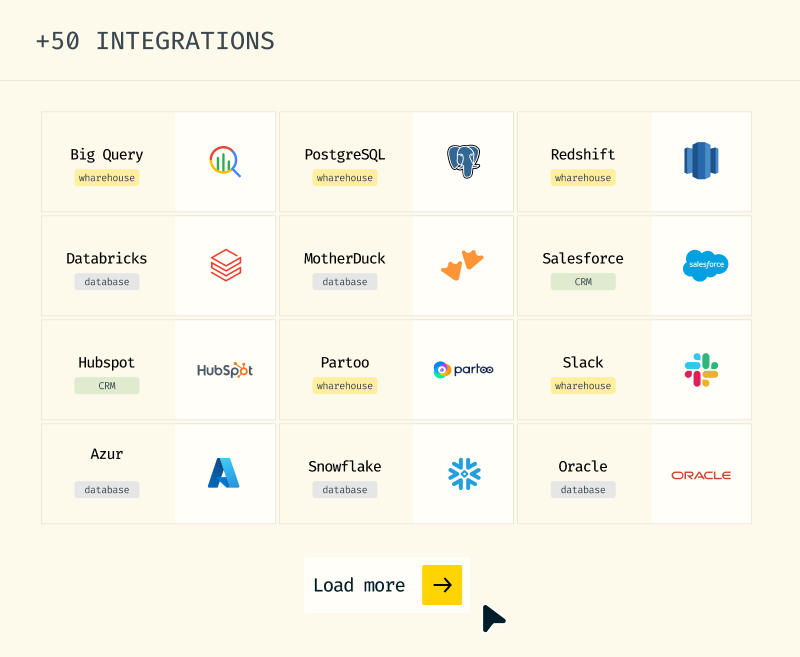
L'équipe data de la marque a connecté Matr à son entrepôt de données et construit le premier modèle de prochain produit en 2 jours, sans effort dédié de data engineering. Chaque client reçoit une prédiction individuelle de son prochain achat, rafraîchie chaque semaine au fil de l'évolution de son comportement sur la plateforme.
Depuis, l'équipe data pilote Matr comme elle piloterait une équipe de data science qui ne dort jamais : définir l'objectif de prédiction, valider l'approche de modélisation, surveiller la dérive, réentraîner quand les comportements évoluent. Le modèle reste précis dans la durée, sans infrastructure parallèle à maintenir.
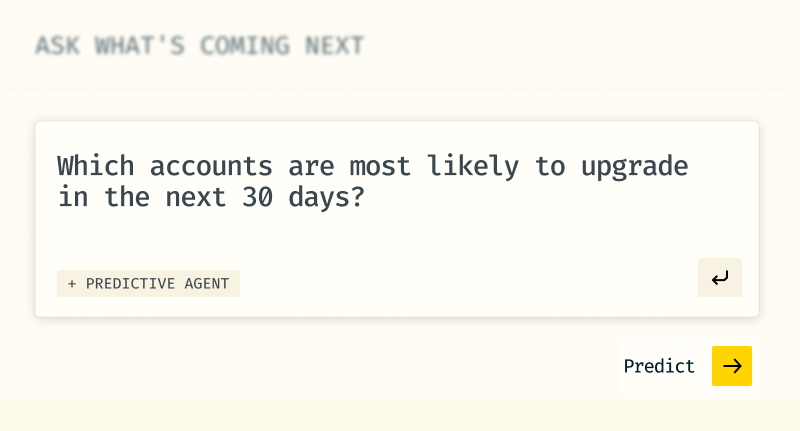
C'est ce qui a rendu les recommandations prédictives utiles, et pas seulement justes. L'équipe CRM n'ouvre pas Matr et n'inspecte pas le fonctionnement du modèle. Elle exploite les résultats là où elle construit déjà ses campagnes.
Pour chaque client, le modèle fait ressortir le prochain produit le plus susceptible de convertir et la raison de cette prédiction. L'équipe CRM utilise les deux : le qui pour cibler les bons clients, le pourquoi pour écrire le bon message. Un client repéré pour élargir ses catégories reçoit une campagne de découverte. Un client repéré pour un rachat reçoit une relance de réapprovisionnement. Un client qui montre des signaux de montée en gamme reçoit une offre d'upsell.
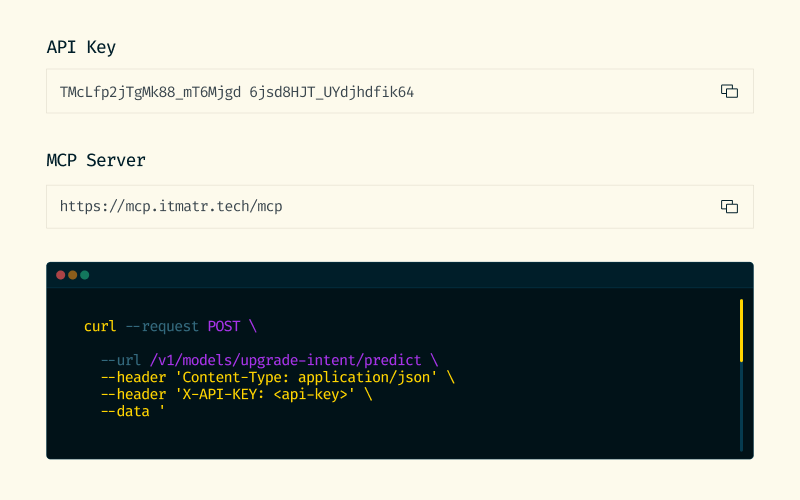
Le résultat n'est pas un moteur de recommandation ponctuel. C'est une capacité opérationnelle : une équipe data qui fait tourner des prédictions individuelles en production, et une équipe CRM qui construit chaque campagne dessus.
- +22 % de conversion sur les campagnes de recommandation personnalisée
- 2 jours pour construire et déployer le premier modèle en production
- 3 millions de prédictions de prochain produit rafraîchies chaque semaine
- Utilisé par les équipes CRM et marketing pour alimenter chaque campagne de rétention et de croissance, sans maintenance manuelle de segments
Aujourd'hui, la marque fait tourner la prédiction du prochain produit aux côtés d'autres modèles Matr, sur la même plateforme, avec les mêmes données et la même couche d'explicabilité.
.png)